

"Evil-ving" creativity
When our well-intended ideas inadvertently turn dark

You can read this post, or listen to it, or both.
Like the road to hell, the creative process is paved with good intentions.
Who doesn’t love to fix problems, improve workflows, reduce friction, save time, while imagining the perfect solutions? Getting lost in flow, excited by the potential of ideas, caught up in the thrill of making things better. It may not take long to imagine ourselves as this clever problem-solving hero, unknowingly crafting an enduring story we’ll tell and retell.
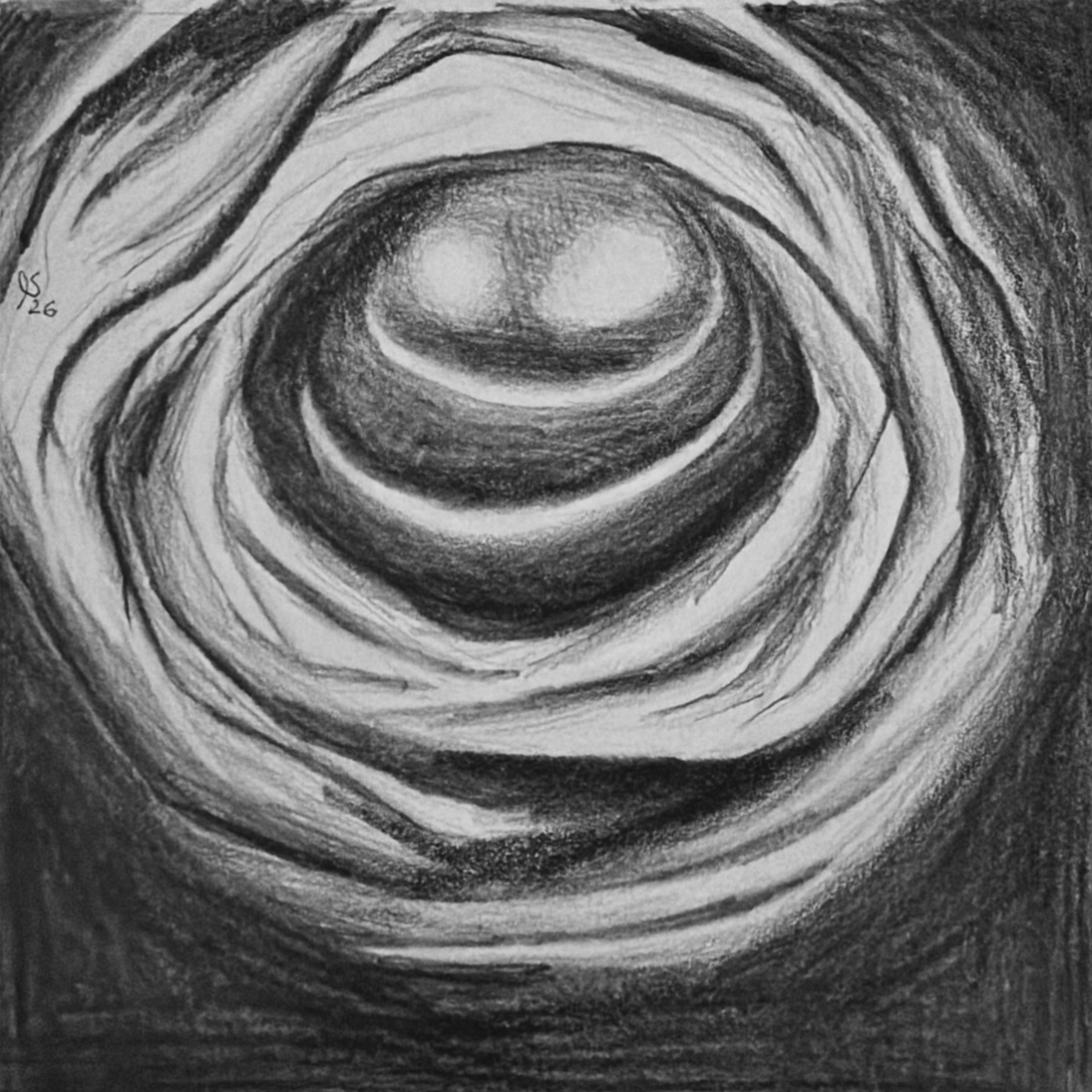
What we are less good at doing, or perhaps just love less, is noticing what are the challenges that our ideas externalise, and what our solutions entrench. The cost they invisibly move somewhere else, to someone else, to some later time, where they are no longer our problem, at least not right now. We aren’t immune to our deceptively perfect solutions turning darker, “evil-ving”, in someone else’s hands – or in our own, later on.
There was a time, when faced with the dire consequences of a well-intended idea, I’d get quite aggravated. So I learned to be more forgiving instead. To give the benefit of the doubt and assume good faith before celebrating the learning. How conveniently virtuous. But I’m left to wonder whether that conditioning, that forgiving stance, isn’t part of the very problem I’m describing. When the intention is good, we forgive the consequences. And in forgiving, we accept. And by accepting, we may stop asking whether the consequences were inevitable in the first place.
Along the way, we may even forget that problems can be outcomes to investigate or even befriend rather than just things to fix.
There’s a kind of creative magic that’s released in sitting with a problem, in not rushing to act, in being in discernment. In keeping our Fixer backstage for a minute. In remembering that the problem in front of us had been something, or someone else’s solution.
Russell L. Ackoff, a systems thinker legend, described in The Art of Problem Solving: Accompanied by Ackoff’s Fables, three ways of dealing with a problem:
You can resolve it, i.e. accepting a solution good enough for now;
You can solve it, i.e. finding the optimal solution by relying on experimentation and analysis;
Or you can dissolve it, i.e. redesigning the system so the problem no longer arises.
Most of today’s celebrated innovations appear to fall under the second one: solving.
In contrast, activities and efforts that are working from a dissolution’s perspective are typically met with pitchforks. Because it implicates things we have invested in, built careers around, would rather not revisit, and things that have become part of our identities.
In some cases, it calls into question the value of us… of who we know ourselves to be, and our worthiness.
Dissolving a problem means questioning what produced it.
That’s rarely popular.
It’s also rarely entertained or funded. It shakes ground. It paralyses. It hurts.
And so we solve, and solve, and solve, rarely facing the darker shades of ideas, missing out on knowing their true colours.
🕳️
Which of your ideas has turned darker than you intended?
What did you tell yourself when you noticed?Until the next post
Think of a recent problem you satisfactorily resolved.
And one you solved.What did the “solution” bump up against? (e.g. in you, in others, around you)
Now, think of a problem you know is systemic, bigger than you.
The kind no clever optimisation can dissolve.Name it.
Even just to yourself.
Notice what the naming does. Notice what it asks of you.
Notice what gets in the way of that asking.
Fun fact. Evilving arrived as a typo and inspired this post.
References
Ackoff, R. L. (1978) The art of problem solving: Accompanied by Ackoff's fables. Wiley, New York.